Our Projects
Building self-sufficiency,
one project at a time.
Every project follows our 4-pillar model: Water → Food → Livelihoods → Education. Every budget is public. Every setback is documented.
Every project follows our 4-pillar model: Water → Food → Livelihoods → Education. Every budget is public. Every setback is documented.
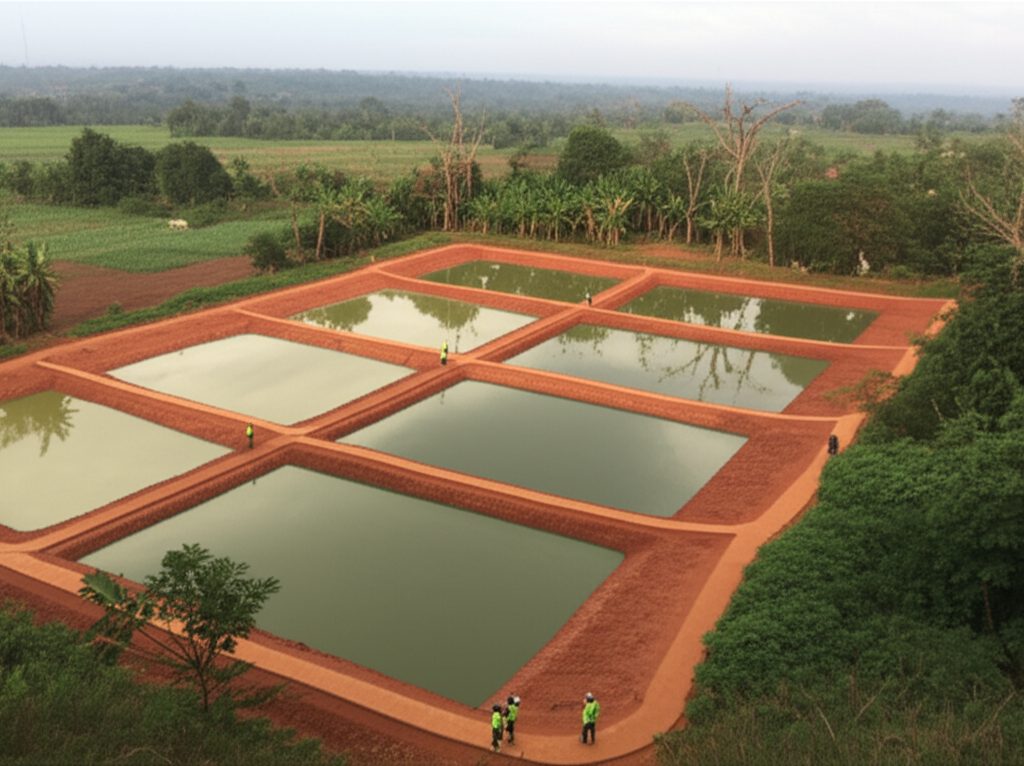
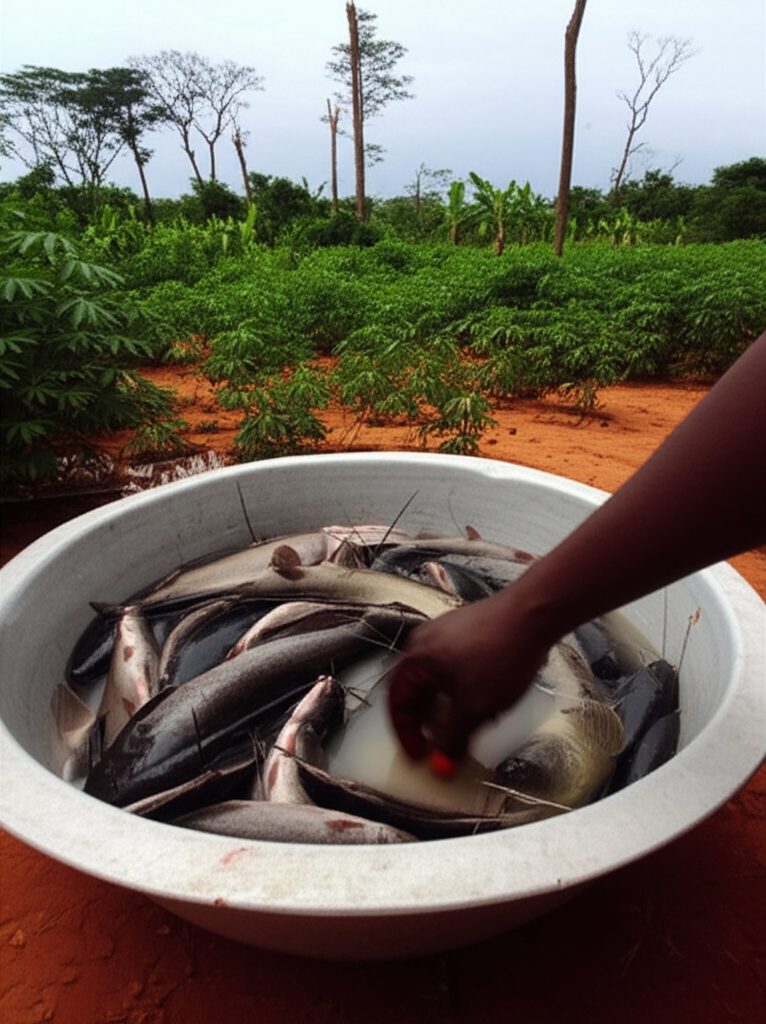
Lolo Refugee Camp, Adamawa Region, Cameroon. 12,000 CAR refugees building a community-owned fish farm to replace dependence on shrinking WFP food rations.
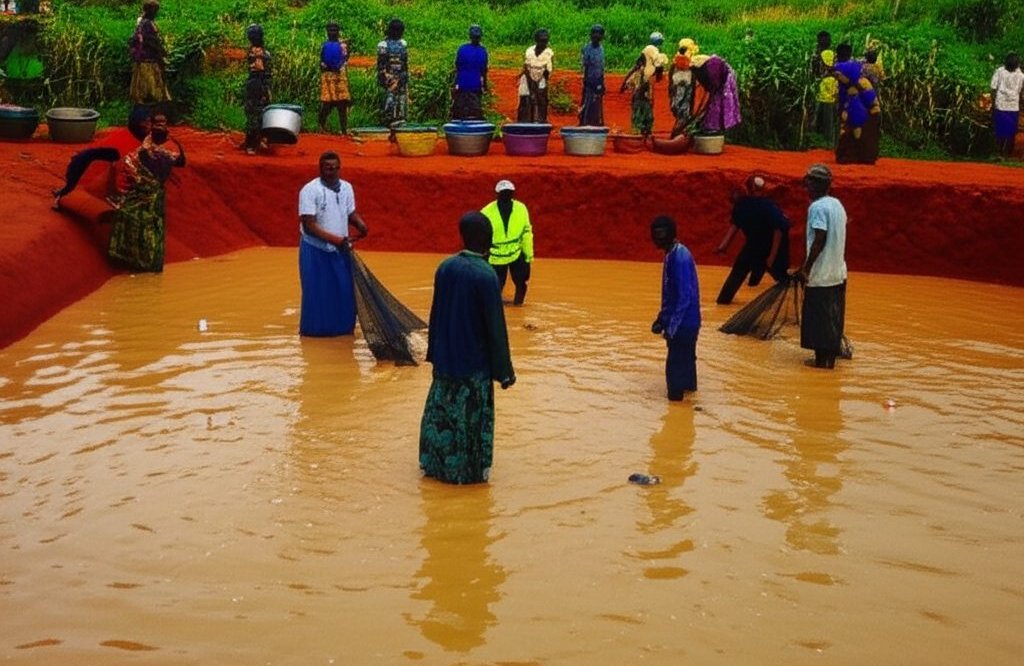
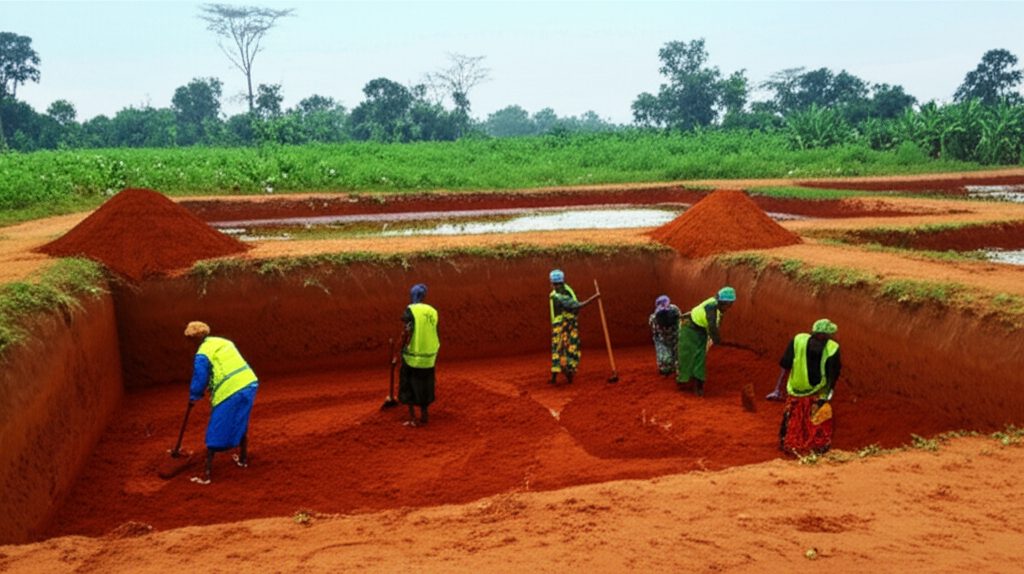
Full budget breakdown. Updated after each phase.
| Item | Amount |
|---|---|
| Land acquisition & preparation | £4,200 |
| Pond construction (10 ponds) | £8,500 |
| Hatchery construction | £3,800 |
| Borehole & water infrastructure | £6,200 |
| Solar power system | £4,800 |
| Broodstock & fingerlings | £3,200 |
| Feed (Year 1) | £5,500 |
| Equipment & tools | £2,400 |
| Training & capacity building | £1,800 |
| Project management & M&E | £2,606 |
| Total | £43,006 |
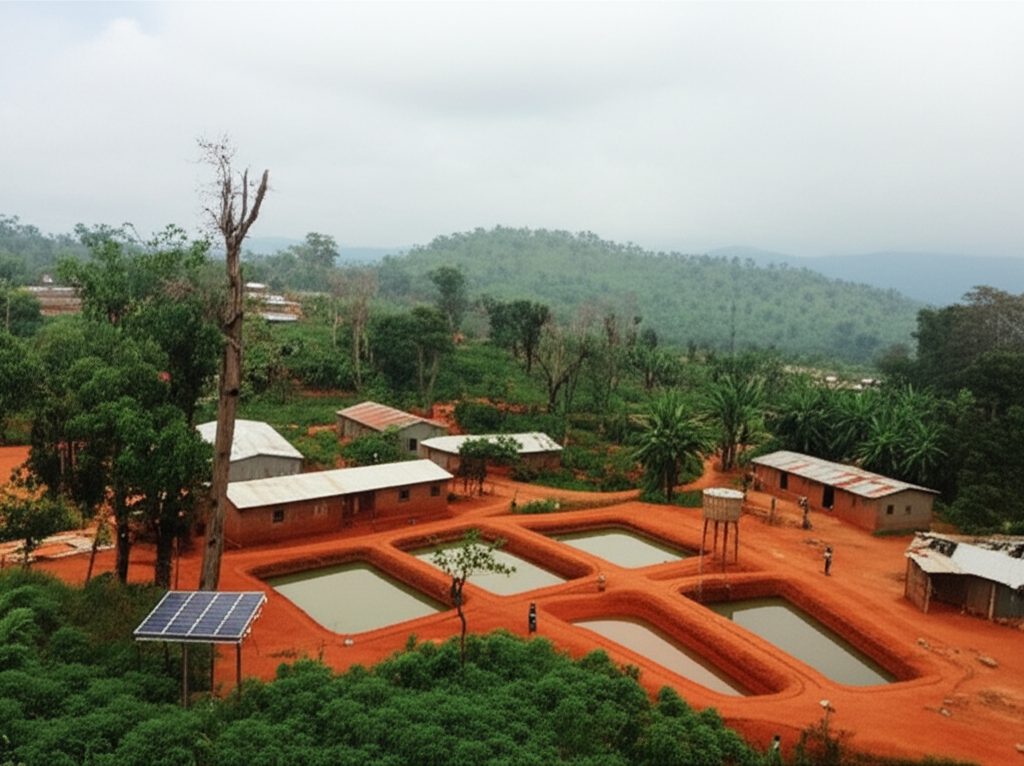
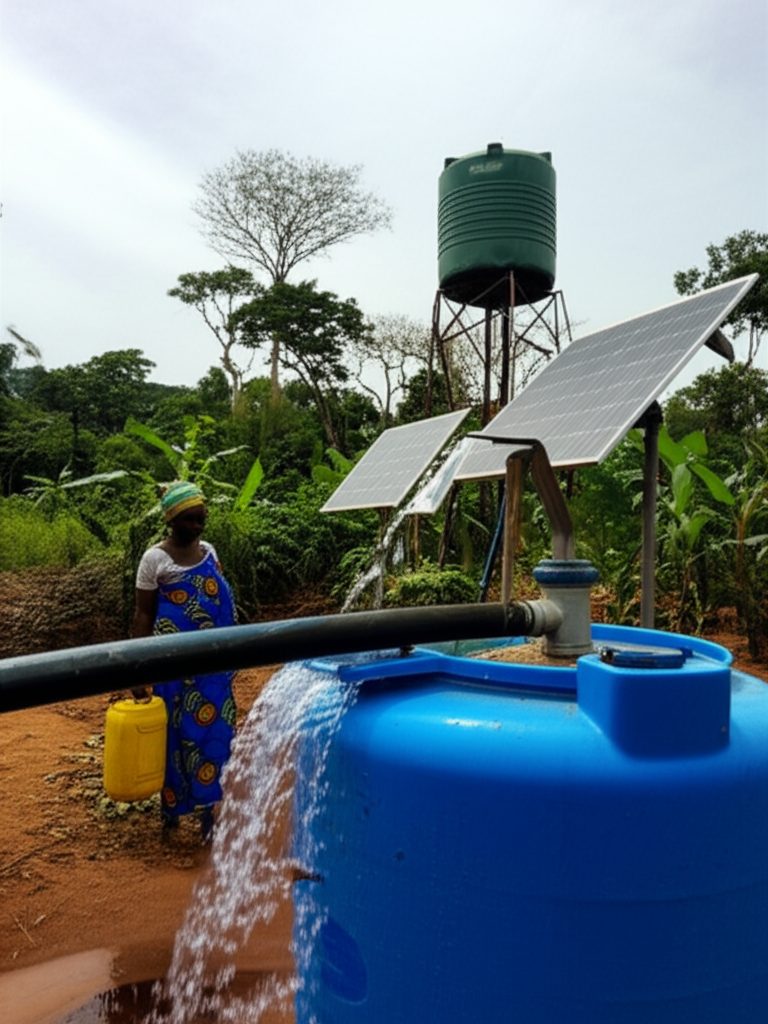
A second borehole serving the northern section of the camp. Solar-powered, gravity-fed distribution. Target: additional 10,000L/day for 4,000+ residents.
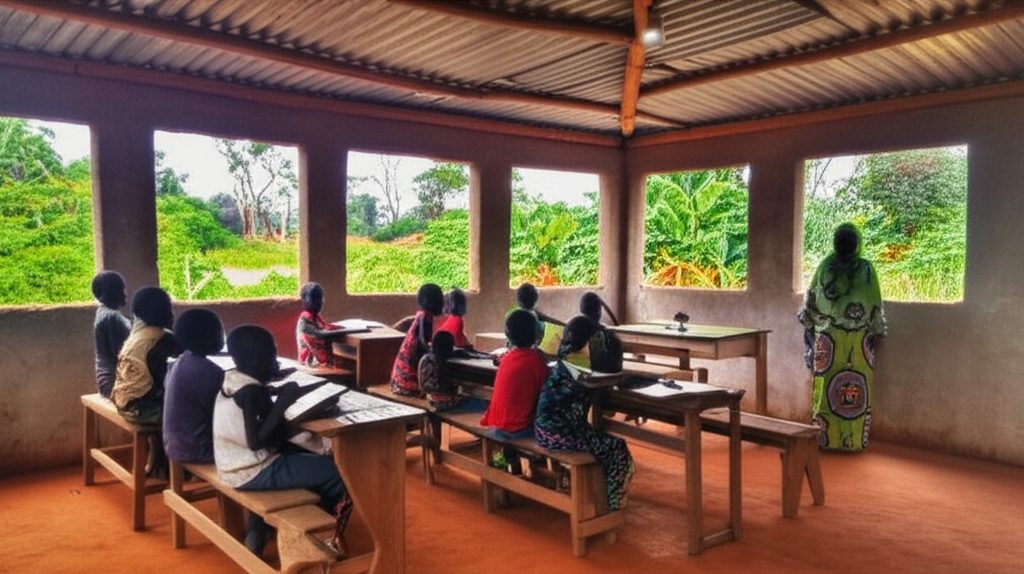
A permanent learning space funded by aquaculture revenue. Solar lighting, desks, trained teachers. Designed to outlast any single funding cycle.
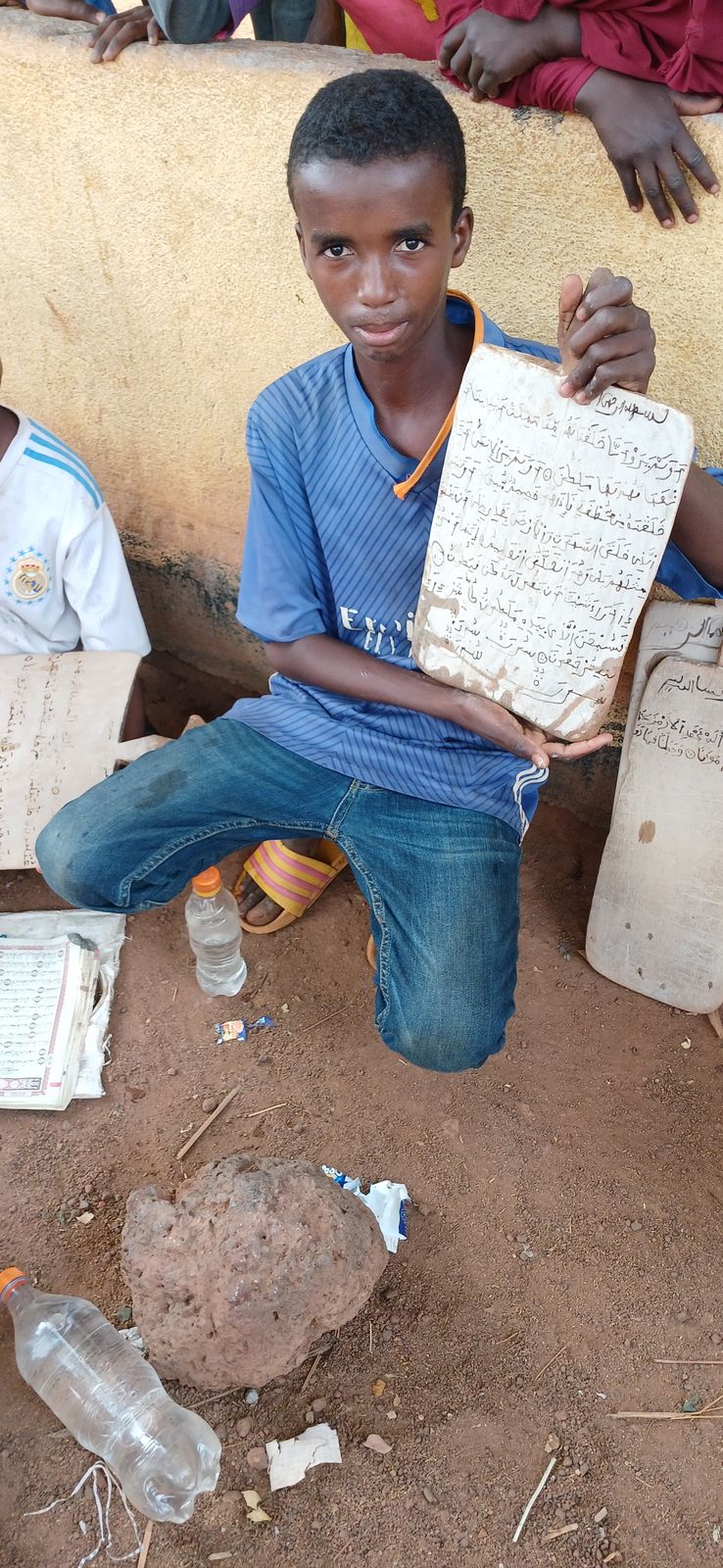
Supporting the traditional alluha (wooden board) Quran schools with materials, lighting, and teacher training — preserving an ancient learning tradition.